
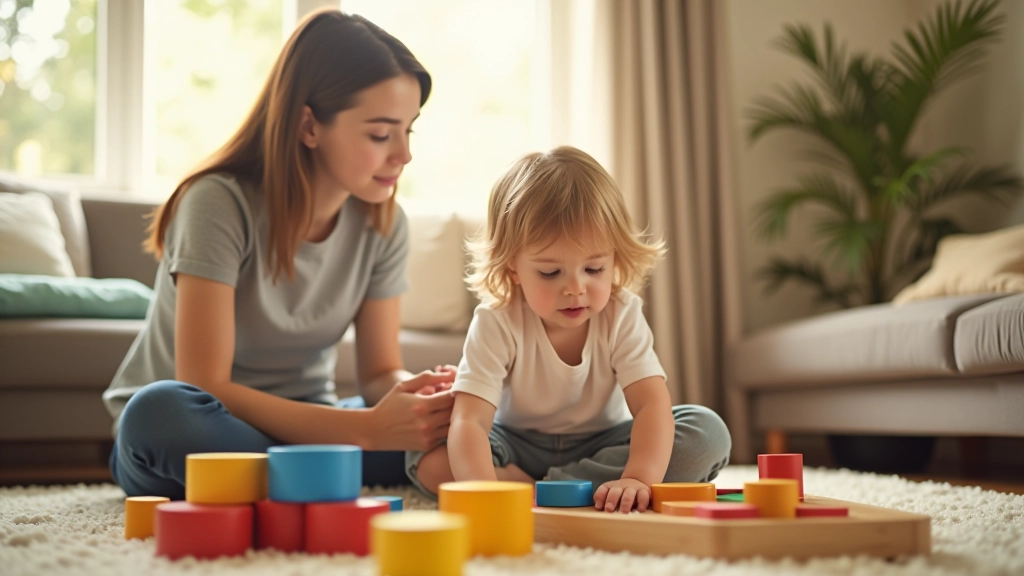
Building Strong Foundations: Play-Based Learning at Home
Learn how everyday play develops motor skills, language, and problem-solving abilities. No expensive toys required—just creativity and your time.
Read GuideEvidence-based learning activities, social skills development, and practical guidance for parents preparing children ages 2-5 for kindergarten success.
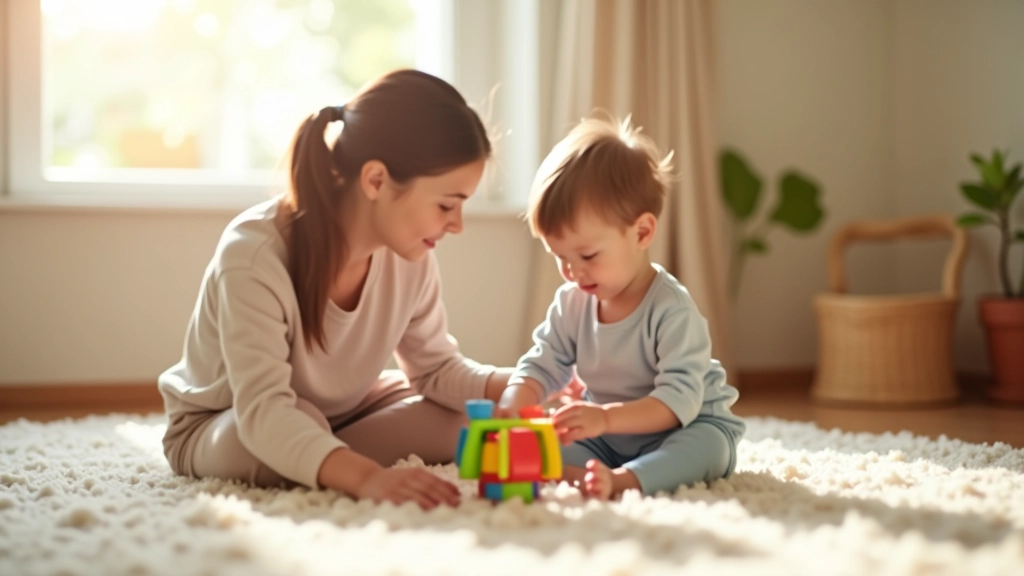
Practical guides for parents focused on what actually matters in these critical years.
Learn how everyday play develops motor skills, language, and problem-solving abilities. No expensive toys required—just creativity and your time.
Read Guide
Understanding how children progress socially from age 2 to 5. Includes activities for building friendships, managing emotions, and conflict resolution.
Read Guide
Simple activities that build number sense, letter recognition, and early writing. What counts as "readiness" and when not to worry.
Read GuideA practical framework for understanding what matters at each stage.
Every child develops at their own pace. We'll help you understand what's typical for ages 2-5 and when to celebrate progress rather than compare.
The best learning happens during everyday moments—meals, bath time, outdoor play. We'll show you how to turn routine activities into rich learning experiences.
Social skills, independence, listening skills—these matter more than academic knowledge. Get specific, actionable tips for the transition ahead.
These early years shape how children learn, relate to others, and approach challenges throughout life.
Ages 2-5 are when neural pathways form rapidly. Intentional play and interaction strengthen cognitive development in ways that matter long-term.
Children who practice social skills early—sharing, taking turns, expressing emotions—start kindergarten ready to make friends and handle challenges.
Talking, reading, singing, and playing with words builds vocabulary and communication skills that support all future learning.
When children feel secure and understood, they're more willing to try new things, handle frustration, and develop independence.
Climbing, running, drawing, building—these activities develop coordination, strength, and fine motor skills essential for school success.
When children play freely and explore, they develop curiosity and learn to think through challenges—skills that serve them in any situation.
Real concerns from parents navigating early childhood and preschool readiness.
For young children, there's no real difference. Play IS learning. Through play, children develop language, problem-solving, social skills, and confidence. The best learning happens when kids are engaged, curious, and having fun—not following worksheets.
Speech development varies widely. Some children are quieter observers. What matters more: Does your child understand what you say? Can they communicate (with words, gestures, sounds)? Are they learning new words? If you have concerns, talking with your pediatrician is always a good first step.
Focus on independence and social skills rather than academics. Can they use the bathroom with reminders? Listen to a short story? Play cooperatively with other children? Follow simple instructions? These matter far more than knowing letters or numbers.
Not at all—if it's playful and child-led. Singing alphabet songs, reading books together, pointing out numbers on doors—these are great. But formal lessons usually aren't necessary before age 4, and they work best when your child shows interest.
Shyness is normal and doesn't predict future social skills. Provide low-pressure opportunities to be around peers—playgroups, parks, library story time. Let them warm up at their own pace. Never force interaction, but do encourage small steps forward.
The American Academy of Pediatrics recommends limiting screen time for children under 5. When you do use screens, choose quality content and watch together when possible. But real play, conversation, and physical activity should take priority.
Real feedback from families using these resources and approaches.
"I wasn't sure if I was doing enough to prepare my son for kindergarten. The guides gave me actual activities instead of just worrying. Now he's excited about starting school and I'm not stressed about what he 'should' know."
"My daughter was shy and I couldn't figure out how to help her get more comfortable with other kids. The social skills activities actually worked—she's not a different person, but she's way more confident now. That matters."
"Honestly the best part? They explained why each activity matters. I'm not just doing busy work with my kids—I understand how play builds their brains. Makes the time feel more meaningful, you know?"
Get personalized guidance, specific activity ideas, and answers to your questions about early childhood development and kindergarten readiness.
Connect With Us
Specialized guidance for grandparents, older first-time parents, and those supporting young children's development.
How early childhood education has evolved. What's changed since you raised your own kids, and why play-based learning actually works better than worksheets.
Finding the balance between helping too much and not enough. How to encourage capability and confidence while keeping kids safe.
Navigating technology with young children. Practical strategies that work in real life, not just theory.
Conversations between parents and grandparents about approach, expectations, and working together effectively for the child's benefit.